

Quick Summary
Client:
VisitEurope.com - The Official Travel Portal of Europe, operated by the European Travel Commission. The platform brings together 35 national tourism organisations and promotes Europe in long-haul markets.
The Challenge:
Replace legacy WordPress platform with a more scalable and more editorially efficient digital platform in Drupal to better position itself to support Europe's global tourism promotion.
The Solution:
A fast and robust Drupal CMS with AI-assisted editorial workflows, redesigned content architecture, improved UX, and a heavily automated migration process.
The Result:
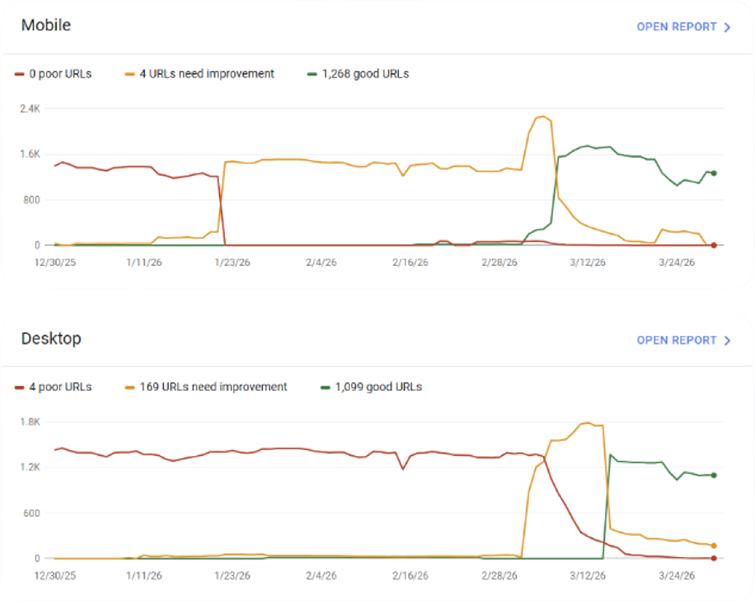
Page load times dropped from 10+ seconds to under 200ms, Core Web Vitals failures were eliminated, and the refreshed platform delivered a faster, more premium and more inspiring digital experience.
The Challenge
VisitEurope.com gradually reached the limits of what its WordPress-based platform could offer in a technical sense. As Europe's official travel portal, the platform needed to support broader editorial, performance and governance goals. This meant supporting content from 35 national tourism organisations across five languages, simplifying editorial work, improving performance, and delivering a more consistent, premium experience for travellers.
Several factors shaped the scope of the work:
1. Editorial Efficiency:
Content administration required significant technical overhead, limiting day-to-day agility for the editorial team.
2. Performance:
Page load times regularly exceeded 10 seconds, and over 1,400 pages presented opportunities to improve against Google’s Core Web Vitals thresholds.
3. UX & SEO:
Identify and realise opportunities to elevate the digital presence to match the brand’s ambition, building on the existing foundation to deliver stronger mobile performance and improved search visibility.
4. Editorial governance:
The content model made it harder to manage multilingual content consistently at scale.
Why This Was Complex
The project required careful planning because several challenges had to be solved together:
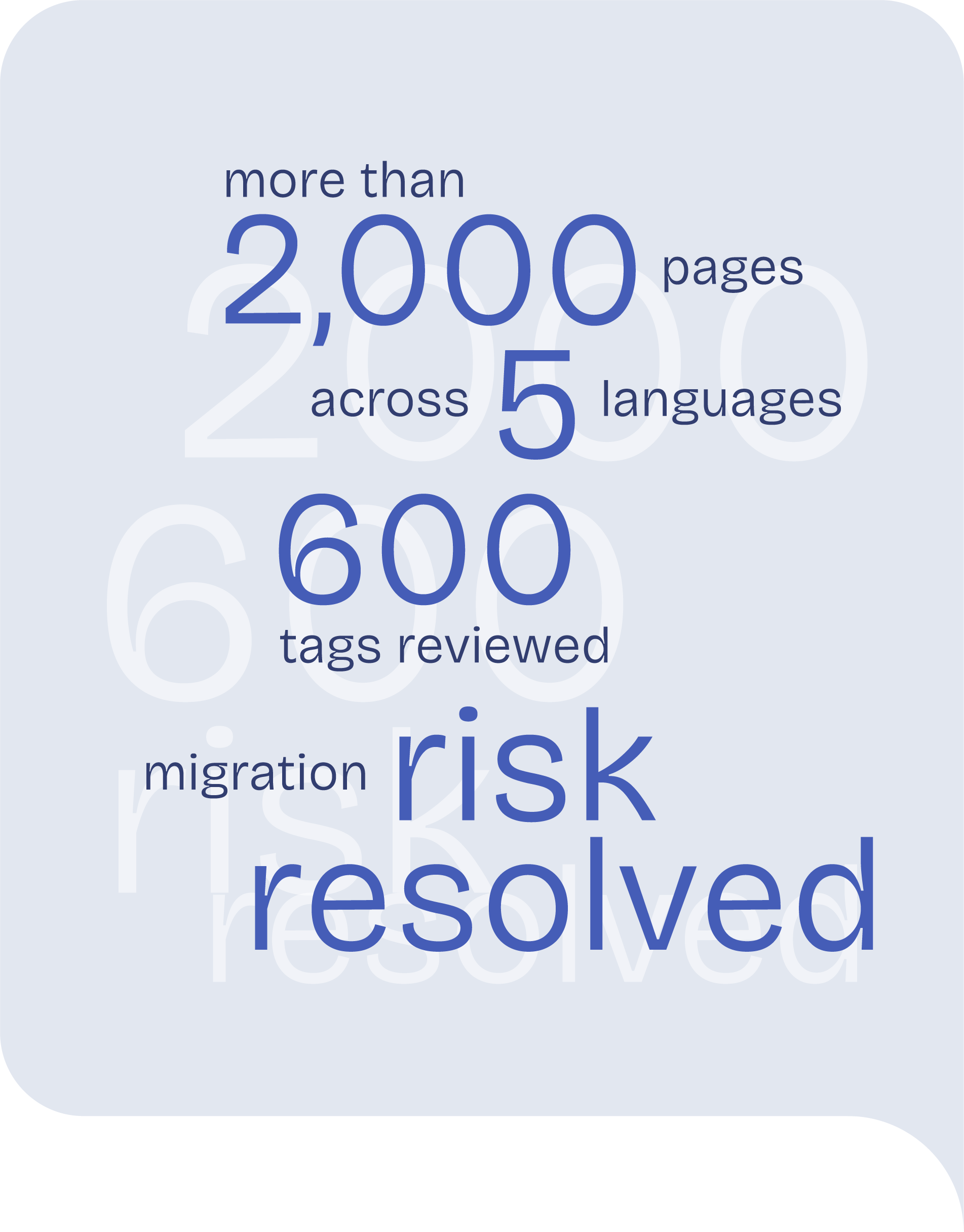
- more than 2,000 pages across five languages
- housed in a highly complex interconnected architecture
- strict performance expectations for a global audience
- UX research identified opportunities, based on VisitEurope's market research as well as our own, to optimise how travellers explore destinations, interests, and inspirational content
- over 600 tags reviewed and consolidated
- migration risk across a comprehensive and complex multilingual content repository
- the need for a more premium, inspiring and editorially manageable travel experience.
Our Approach
BRAINSUM approached the project as more than a CMS rebuild.
The work combined:

discovery and content strategy

UX research

brand refresh

Drupal content modelling

editorial

migration planning

AI-assisted editorial workflows

performance-first implementation

QA and launch readiness
Drupal provided the structured content foundation. AI-assisted workflows helped editors translate, enrich and align content at scale. Performance engineering ensured the new platform could serve a global audience quickly.
Content Strategy & UX Research
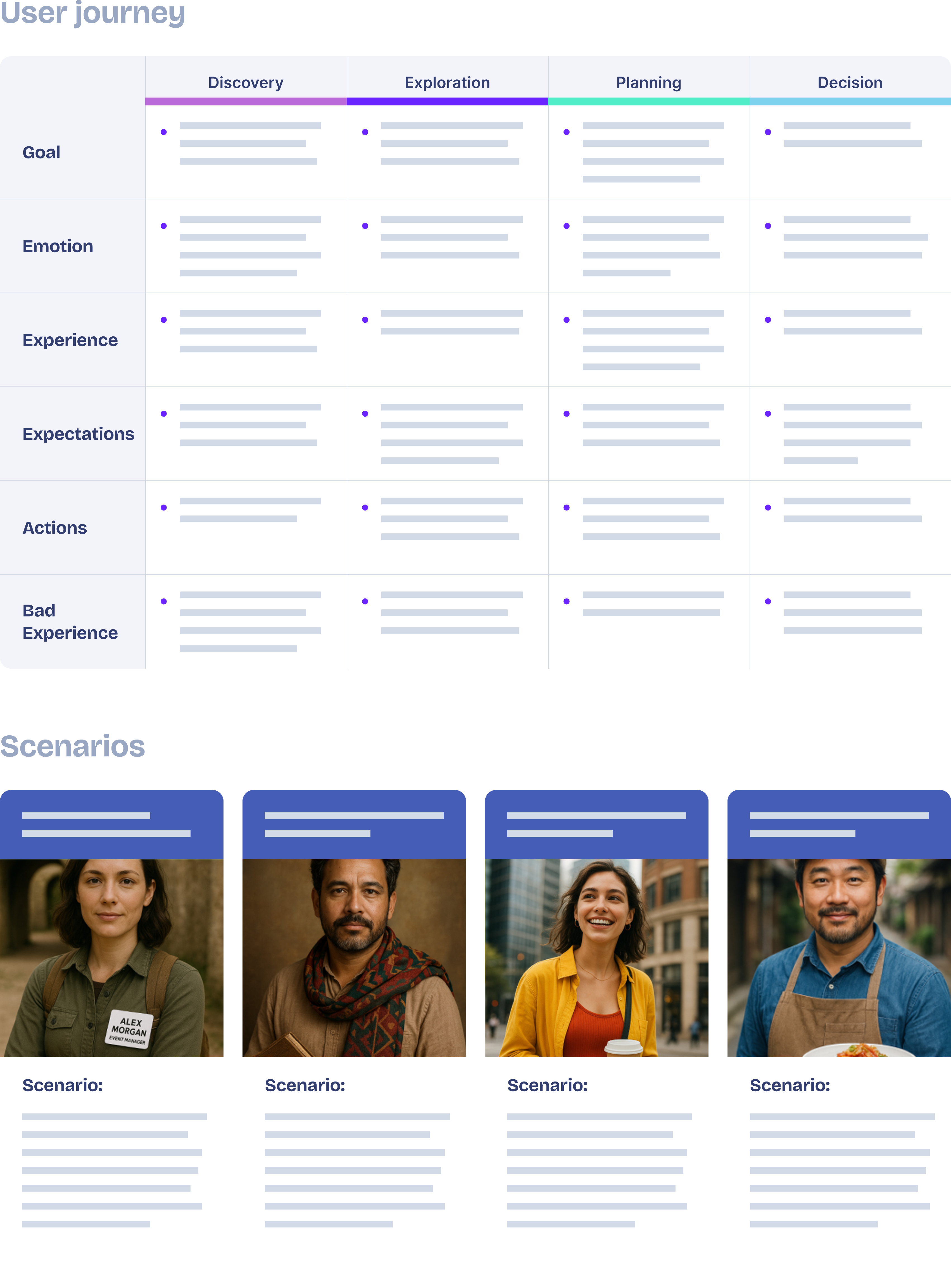
Since the platform's core audience sits outside Europe, BRAINSUM worked with a US-based content strategist to define a clearer editorial direction and develop a detailed content strategy. This included creating and analysing the content catalogue, identifying structural issues, and reshaping the content hierarchy.
Content strategy findings, supported by extensive UX research, helped identify the key structural improvements needed and shaped the new information architecture, content model and user experience.
AI
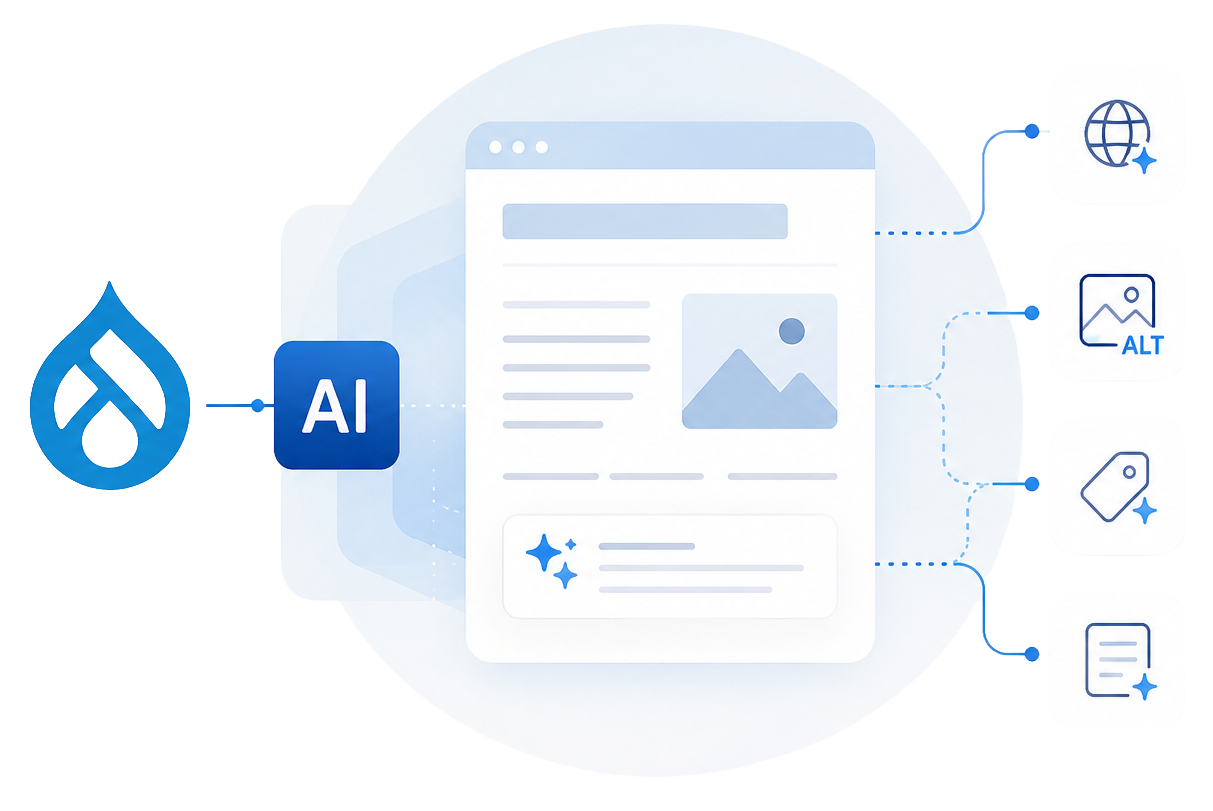
AI was introduced as a practical support layer inside the Drupal publishing workflow.
The AI-supported features included:
- one-click AI translation of complex pages
- automated alt text generation
- AI-supported metadata creation
- content enrichment and editorial consistency support
These features helped reduce repetitive editorial work and made it easier to manage multilingual content at scale.
Brand Identity & Visual Experience
Beyond the technical transformation, we created a significantly more premium and modern brand identity for VisitEurope.com.
With a new visual language, colour system, shapes and typography - while preserving the existing logo - the platform now better reflects the ambition of Europe’s official travel portal.
Results
Brand Identity & Visual Experience
Migration and Content Cleanup
Extreme Speed Boost
Accessibility
Maps
Multilingual Efficiency
Zero-Bug Launch
Migration and Content Cleanup
We migrated and restructured a large multilingual content base into a cleaner, more flexible Drupal content model through a heavily automated migration process.
We utilised automated QA tooling for verifying all clean URLs work or have proper redirects to maintain SEO.
Extreme Speed Boost
Performance was one of the most visible improvements after launch. We reduced page load times from over 10 seconds to under 200ms, making key pages more than 50x faster.
Accessibility
Accessibility was a core consideration throughout the implementation. The platform was built in line with WCAG 2.2 AA principles, with attention to navigation, responsive layouts, interface components and content accessibility.
Maps
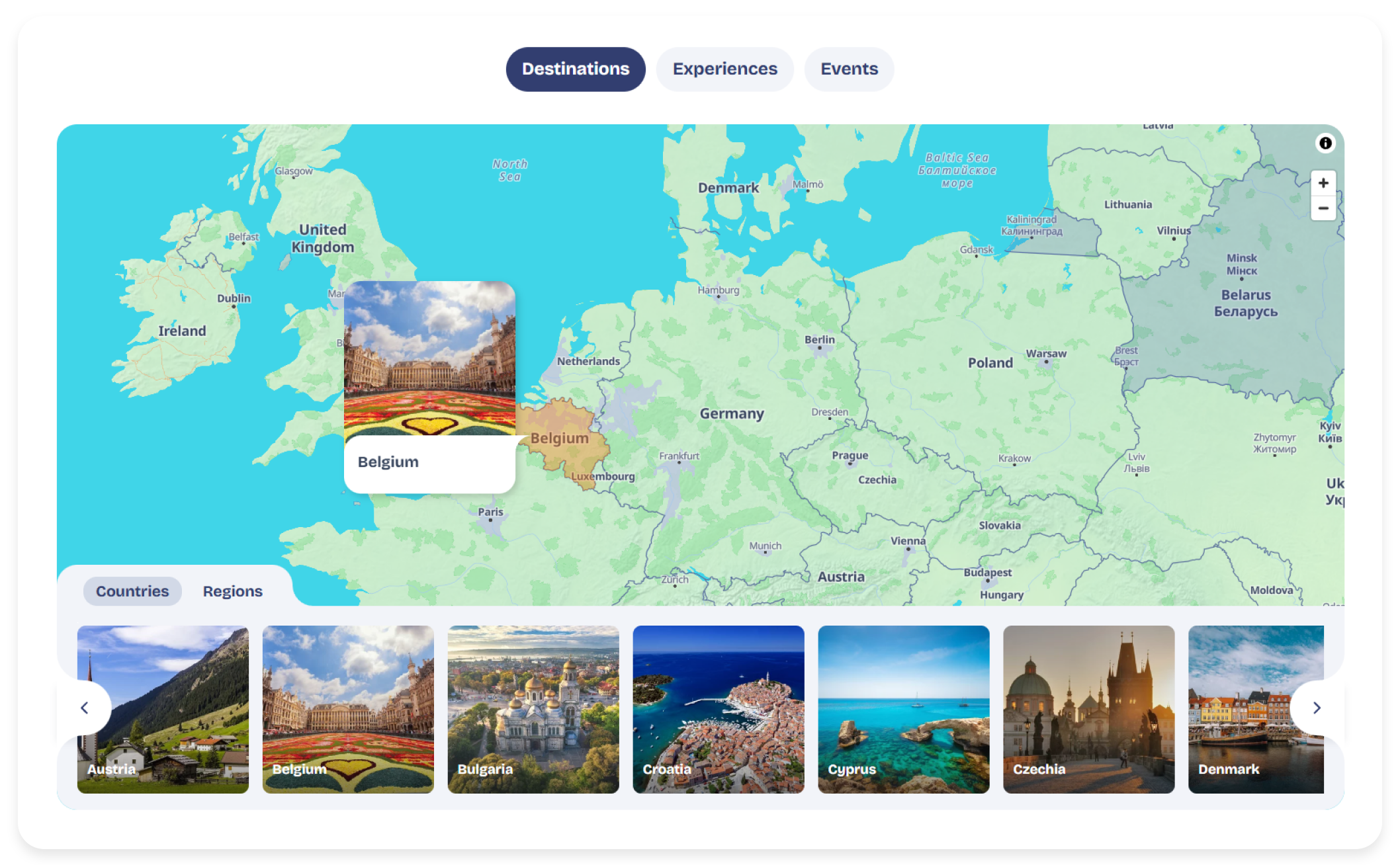
We consolidated multiple map solutions into a single, reusable, CMS-configurable map component - reducing maintenance overhead and creating a more consistent experience.
The MapLibre- and OpenFreeMap-based map supports filtering by destinations, regions, events and experiences - giving both editors and travellers a cleaner, more useful tool.
Multilingual Efficiency
The new workflow made it easier to manage content across five languages, using English as the fallback for untranslated content. Combined with AI-assisted translation support, this created a more scalable editorial workflow for the VisitEurope.com team.
Zero-Bug Launch
Thanks to rigorous Quality Assurance (QA) and launch readiness planning, 0 major bugs were reported post-launch, allowing for a seamless transition into the long-term support phase.
Client Quote

BRAINSUM was a trusted partner throughout the transformation of VisitEurope.com. Their ability to understand our needs, challenge assumptions, and translate complex requirements into effective digital solutions was key to the project's success. The result is a more user-centric, future-ready platform that strengthens Europe's digital tourism presence.
European Travel Commission
Conclusion
BRAINSUM helped the European Travel Commission transform VisitEurope.com into a fast, governed and scalable Drupal CMS designed to support the next phase of Europe’s digital tourism presence.
The new platform empowers editors with an intuitive interface, supports multilingual content more efficiently, improves destination discovery, and delivers a significantly faster experience for users.
Furthermore, the comprehensive UX and brand upgrade resulted in a significantly more engaging and premium digital experience for travellers worldwide.
For organisations managing large, multilingual or multi-stakeholder content ecosystems, the project shows how Drupal, AI-assisted editorial workflows and careful content strategy can create a platform that is faster, easier to govern and ready to scale.

